“Cultural Fluency: The Strategic Advantage Brands Cannot Ignore in 2025”
“Cultural Fluency: The Strategic Advantage Brands Cannot Ignore in 2025”
In a hyper-connected world, brands that speak culture, not just commerce, win. Discover what cultural fluency means, why it’s a business imperative, and how global brands can lean into trends thoughtfully to gain relevance and trust.
Introduction
In 2025, it’s no longer enough for brands to launch campaigns with flashy visuals or celebrity endorsements. The smarter brands are those that demonstrate cultural fluency — meaning they understand and resonate with the values, traditions, language and identity of diverse consumer segments around the world.
According to the Collage Group’s “State of Brand Cultural Fluency” report, cultural relevance is no longer a trend, it is a strategic advantage. (GlobeNewswire) The report emphasises that brands with higher cultural fluency (measured via their proprietary Brand Cultural Fluency Quotient, B-CFQ) show stronger favourability and purchase intent. (FinancialContent)
Brands that ignore cultural nuance risk falling behind — or worse, becoming irrelevant or offensive. This blog explains what cultural fluency means, why it matters globally, how brands can lean into trends wisely (not just chase them), and what practical steps you can take.

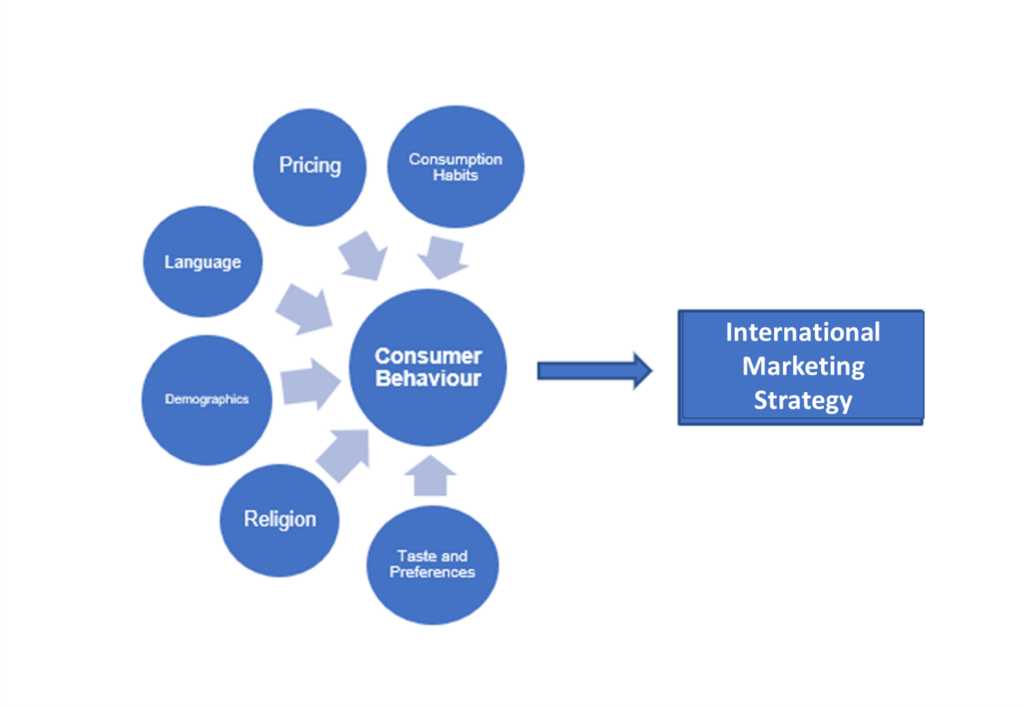

What is Cultural Fluency in Branding?
Cultural fluency means a brand’s ability to use cultural intelligence and connect authentically with varied consumer segments — across ethnicities, languages, generations, lifestyles, and geographies. (Collage Group)
Here are key dimensions:
-
Relevance: Do the brand’s messages, visuals, and offers align with cultural contexts of the target audience?
-
Resonance: Does the brand evoke emotional connection through values, identity, heritage, or moment in culture?
-
Respect & authenticity: Does the brand avoid stereotypes, clichés or tokenism and instead engage meaningfully?
-
Adaptability: Can the brand tailor localised experiences while maintaining the core brand essence?
-
Trend-sense (wisely): Does the brand know which cultural trends to engage, and when to pass?
For example, brands that localise only translation but ignore deeper cultural cues (symbols, humour, values) often fail to connect.
Why It’s a Business Imperative — Especially for a Global Audience
1. Demographics and market growth
Multicultural consumers and emerging global markets are driving growth. Brands that align with cultural segments are better positioned to expand. The Collage report found that top brands with strong cultural fluency improve purchase intent and favourability. (MediaPost)
2. Competitive differentiation
As digital advertising and competing messages saturate markets, standing out through cultural resonance is a differentiator. One article said: “Cultural relevance is an essential element to brand development.” (The Australian)
3. Trust, loyalty and reputation
Culturally aware brands build deeper trust and avoid pitfalls. Mistakes in cultural understanding can damage reputation quickly. (creativebrief.com)
4. Trend agility with foundation
Brands that can authentically connect can more safely and effectively lean into cultural and social trends (without being opportunistic). This builds both short-term relevance and long-term credibility.
5. Global scale + local nuance
For brands operating globally (or wanting to), cultural fluency allows standardised brand identity and local relevancy. That balance is key for worldwide reach.
How Brands Can Lean Into Trends Wisely
Here’s how brands can engage trends and cultural moments — without mis-stepping.
🧠 Step 1: Start with insights, not impulses
-
Use data to understand cultural segments (values, behaviours, language usage, symbolism). (Explore FCG)
-
Evaluate whether the trend aligns with brand values and target audience before jumping in.
🧩 Step 2: Localise content, don’t just translate
-
Adapt visuals, copy, tone, cultural references for each market.
-
Involve local creative teams or cultural advisors.
-
Avoid stereotypes, clichés or superficial localisation. A brand in a seaside town emphasised: “Being culturally fluent – creating brand experiences that sit comfortably within an environment – is more critical than ever.” (creativebrief.com)
🎯 Step 3: Partner with communities & creators
-
Collaborate with influencers or creators who have authentic cultural resonance.
-
Co-create rather than dictate. This helps authenticity and trust.
🔥 Step 4: Engage trends with relevance, not just visibility
-
If a trend aligns (nostalgia, meme culture, local festivals, social movements), integrate but ground it in brand story.
-
Avoid jumping on every trend — selective & meaningful is better than opportunistic.
-
Recognise that cultural trend surfing without depth can backfire.
📊 Step 5: Measure cultural fluency and iteration
-
Track metrics of resonance: brand favourability across segments, cultural fluency scores, purchase intent tied to cultural campaigns.
-
The 2025 report found average B-CFQ scores improved ~4.5 % in first half of 2025 vs second half 2024, signalling more brands embedding cultural intelligence. (FinancialContent)
-
Use feedback loops: testing, iterating, learning from mis-steps.
✅ Step 6: Build cultural fluency as a capability
-
Train teams in cultural intelligence.
-
Build diverse creative talent and decision-makers.
-
Embed cultural audit / review in campaign planning.
Real-World Examples & Lessons
-
The Collage top-20 culturally fluent brands include household staples plus tech brands like M&M’s, Nestlé, Sony and Google — showing culturally fluent work spans categories. (GlobeNewswire)
-
Brands in sectors once “challenged by trust and complexity” (such as telecom, health insurance) are making biggest improvements in cultural fluency. (MediaPost)
-
Brands that fail on cultural fluency face risk: misinterpreted imagery, tone-deaf campaigns, loss of trust. As one source said, mis-reading culture “can rapidly destroy years of brand building.” (creativebrief.com)
“Brands that master cultural fluency speak the language of their audience — not just the language of commerce.”


Keywords (for SEO & Global Reach)
-
cultural fluency
-
brand cultural intelligence
-
global brand marketing
-
trend-driven brand strategy
-
cultural relevance in branding
-
global marketing cultural fluency 2025
-
leaning into cultural trends
-
brand resonance diverse audiences
-
localisation versus translation
-
cultural intelligence brand growth
Conclusion
In an era where consumers expect brands to understand them, not just sell to them, cultural fluency emerges as a non-negotiable strategic capability. Brands that invest in cultural intelligence — that localise with nuance, lean into trends with purpose, measure resonance across segments — will win relevance, loyalty and growth.
Trends will continue to accelerate: social movements, generational values, meme culture, global digitisation, localised experiences. But chasing every trend without cultural core leads to risk. Instead, build a bedrock of cultural fluency, then navigate trends thoughtfully and authentically.
Whether your brand operates in Mumbai, São Paulo, Nairobi, or Tokyo — being culturally fluent equips you to speak meaningfully to people, not just markets. And in 2025, that difference is the strategic edge.
.png)

.png)
Comments
Post a Comment