The Google Gemini AI Saree Trend: How India’s Creativity Went Viral with AI Photos
The Viral Global Trend: AI Image Makeovers with Cultural Flair


Introduction
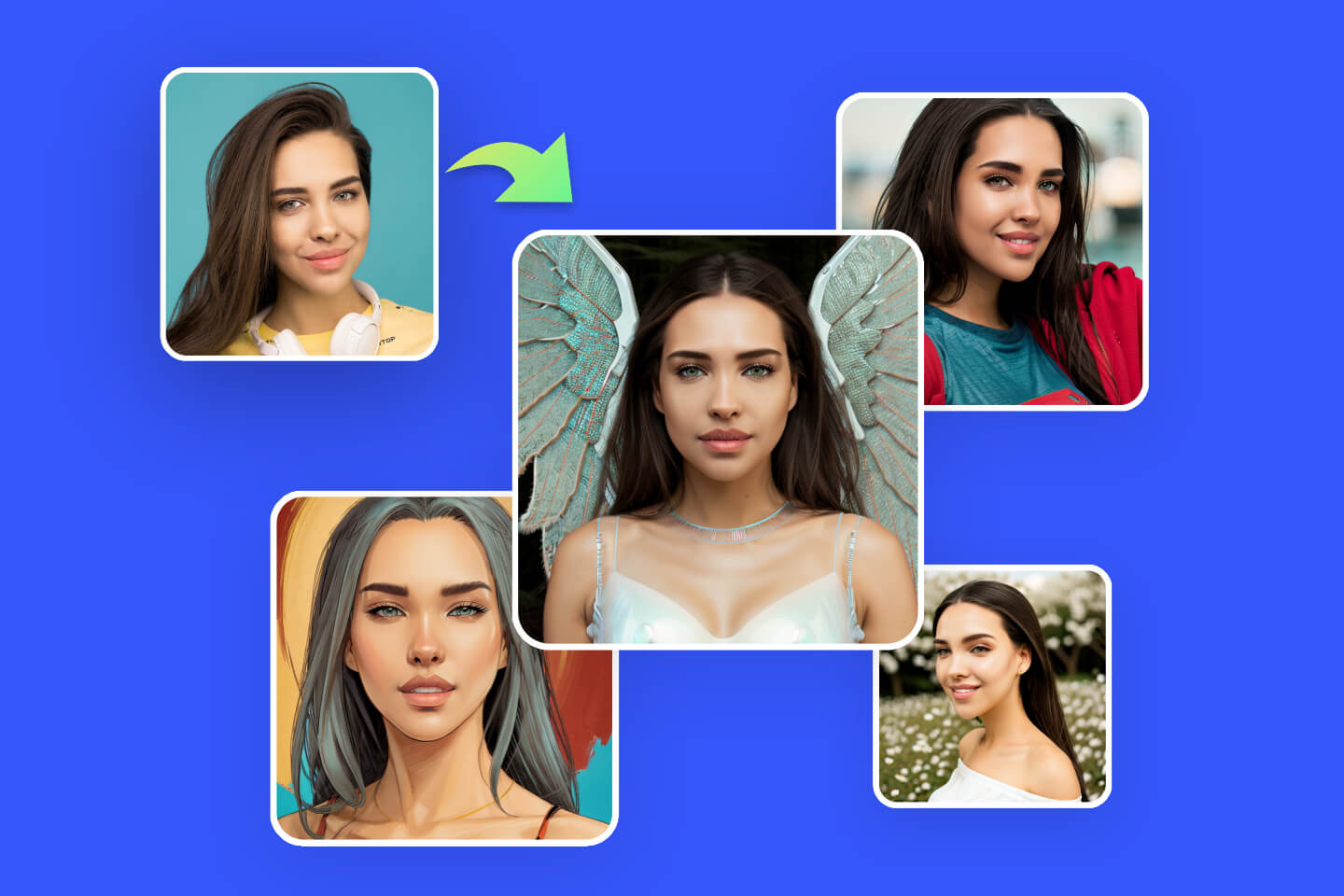
One of the most compelling digital trends globally right now blends what’s traditional with what’s futuristic: transforming personal photos into stylised cultural portraits using AI. The catalysing tool behind this is Google Gemini Nano Banana (also known as Gemini 2.5 Flash Image), which has gone viral for its ability to convert normal selfies into dramatic, nostalgic-styled images. (mint)
What began with playful edits in India (for example, selfie → retro saree portrait) is now inspiring users worldwide, taking off in markets beyond the original region. The blend of cultural wardrobe (sarees, ethnic dresses), vintage film-style filters, and AI prompt creativity has resonated globally.
In this blog we’ll dive deep: what’s driving the trend, how you can participate, what the creative prompts look like, why it matters globally, and what to watch out for (especially privacy & ethics).
Why It’s Taking Off
1. Emotional resonance: The trend taps nostalgia — vintage Bollywood vibes, old-school fashion, familiar cultural aesthetics (for India) that nonetheless carry visual appeal for international audiences. According to coverage, the “vintage saree” edits feel like “90s Bollywood-style posters”. (mint)
2. Easy access + novelty: With an AI tool like Gemini’s Nano Banana built-in, anyone can upload a selfie, add a text-prompt, and generate a stylised image within seconds. No professional editing skills required. (Gemini)
3. Global visuals, local themes: Though the clothing (saree) is specific to South Asia, the overall formula — “selfie → stylised heritage outfit → vintage cinematographic look” — is adaptable to many cultures. Users in other parts of the world can substitute their own traditional garments or vintage reference points and still join the fun.
4. Shareability & social-media momentum: The result is visually striking, perfect for Instagram, TikTok, etc. The more shareable it is, the more others try it, creating a feedback loop.
How To Join In: Step-by-Step Guide
Here’s how you can try it yourself — tailored for a global audience (not just India) so you can pick a cultural style that resonates with you.
1. Choose your base photo.
Pick a clear portrait/selfie where your face is clearly visible, good lighting, minimal background clutter. This gives the AI starting-point better material.
2. Select your cultural/heritage style.
Decide what theme you want. You could pick one of the original Indian-style prompts (for learning), or adapt it to your own heritage: e.g., traditional Japanese kimono, African print dress, 70s Hollywood glam, etc.
3. Write your text-prompt.
Here are some prompt templates you can customise (see next section for sample prompts).
-
“A cinematic vintage portrait of a person wearing a flowing [garment type] in [colour/pattern], soft golden-hour light, gently waving hair, subtle wind, rich textures, reminiscent of a [decade] style glamour photo.”
-
“Studio-style portrait of a person draped in a traditional [garment], intricate embroidery, warm sepia tones, cinematic lighting with dramatic shadow, vintage film-grain effect.”
4. Upload & generate.
Use the Gemini app or tool that supports Nano Banana / Flash Image model. Upload your photo, input your prompt, wait for the result, refine if needed. (mint)
5. Review-refine-share.
Look at the generated image: check if your face is correct, the styling is appropriate, the mood matches. If needed, tweak the prompt (change colour, background, lighting) and regenerate. When satisfied, save and share — include a caption that adds context or story.
“Stepping into another era — when tradition met cinema, light met shadow, and every fold told a story 🌙 #VintageVibes”

Target Keywords (for blog/SEO/social):
-
AI portrait trend
-
vintage fashion AI
-
generative image AI
-
cultural heritage style photo edit
-
global selfie makeover
-
AI dressing traditional garments
-
1970s retro film look photo
-
Gemini Nano Banana tutorial
Why This Matters Globally
-
Cultural fusion + digital creativity: It shows how generative AI is enabling people to visualise themselves in garments, styles and aesthetics that span cultures — breaking beyond geographic boundaries.
-
Personal identity & expression: For diaspora communities or anyone curious, it becomes a tool to explore heritage or experiment with style in a playful way.
-
Marketing/community opportunities: Brands and creators globally can ride the wave: e.g., heritage garment brands, digital photo-apps, stylists offering AI-prompt services.
-
Ethics & privacy implications: As highlighted by media, these tools raise questions about how our photos are used, what metadata is captured, how realistic the edits are and what identity implications may arise. (afaqs!)
Things To Be Mindful Of
-
Privacy & facial data: Uploading selfies to AI tools means your face and image are processed. Be aware of terms and how the tool uses data. (afaqs!)
-
Cultural sensitivity: If you adopt a garment or style from a culture you’re not intimately familiar with, do it respectfully (understand context, avoid appropriation).
-
Avoid misrepresentation: Generated images may look eerily real — ensure you label content as AI-generated if needed.
-
Prompt fatigue & uniqueness: As more do the trend, you’ll want to stand out — refine your prompt to include unique elements (props, background, mood).
-
Technical limitations: AI-generated images can sometimes introduce artifacts or oddities (hands, fabric folds, shadows may be imperfect) — review and refine.
Conclusion
This is more than just a fun filter — it’s a moment where heritage, style, identity, and AI-driven visuals converge. Whether you’re in Mumbai, New York, Lagos or Tokyo, you can experiment with your photo, pick a garment, style a setting, generate a striking image and share your story.
Try out the prompt above, play with variations, and show your take — you might just become part of the next wave of “AI heritage makeover” posts.
.png)

.png)
Comments
Post a Comment