From Scroll to Sale: How Social Commerce Is Redefining Global Shopping in 2025
Social Commerce / In-App Shopping: The Future of Global Retail

Introduction
In 2025, the world of shopping is undergoing a dramatic transformation. The concept of “browse then click to the website then checkout” is being replaced by discovery-to-purchase within a social app. This is what we call social commerce — or more specifically for this article, in-app shopping: purchasing entirely within a social or mobile platform.
For audiences worldwide, this means your next purchase may not happen on a traditional e-commerce site at all — it may happen directly inside your favourite social media app, while you’re scrolling, watching a live stream, or interacting with content from friends or creators.
Here’s a deep-dive blog article exploring:
-
What social commerce / in-app shopping is
-
Why it’s growing rapidly globally
-
Key features & trends to watch
-
How brands and consumers around the world should respond
-
Keywords for SEO & shareability
What is Social Commerce / In-App Shopping?
Simply put: it’s the seamless integration of shopping into the social media or mobile-app experience. Instead of seeing a product on Instagram, going to a separate website, filling out a form, creating an account, and then buying, social commerce lets you discover, decide, pay — all inside the same app.
Key elements include:
-
Shoppable posts / stories / videos (where a tag or button leads you directly to product information and checkout) (Plang Phalla)
-
In-app checkout/payment, with saved card or wallet info so you don’t leave the app. (MassPay Solutions)
-
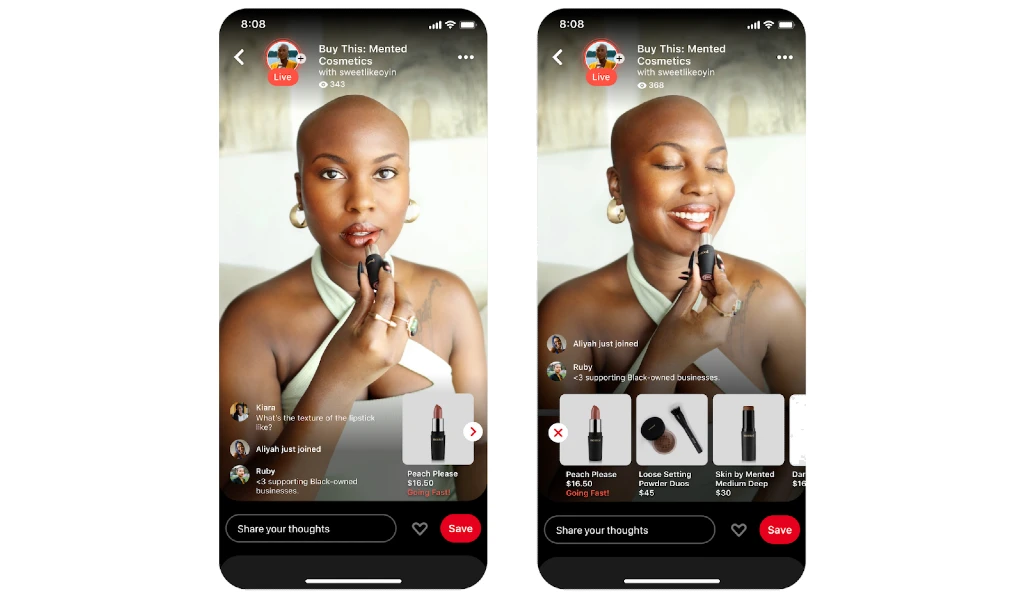
Live-shopping events: creators or influencers host live streams, show products, answer questions, and viewers purchase in real time. (Elite Mindz)
-
Community and social proof: friends, influencers, shared content influence purchases — the social element is central. (Globant Blog)
Why It’s Growing Rapidly Worldwide
1. Mobile-first and app-centric usage
Over 5 billion people use mobile devices globally, and social apps dominate time spent. The mobile device is now more than just a window to the web — it’s the primary shopping portal for many. (Plang Phalla)
2. Frictionless checkout & discovery
Social commerce reduces friction: fewer clicks, no redirect to website, fewer form-fills. By keeping users inside the app, conversion improves. (FedEx)
3. Influence & trust within the social graph
When a friend, peer, or influencer recommends a product inside a social feed, it carries social proof. That influences purchase behaviour. (Globant Blog)
4. Rising expectation of immediacy
Consumers expect instant gratification: they see something, they want it. Social commerce aligns with that behaviour. Also, younger generations (Gen Z, Millennials) lead this shift. (Globant Blog)
5. Market size & momentum
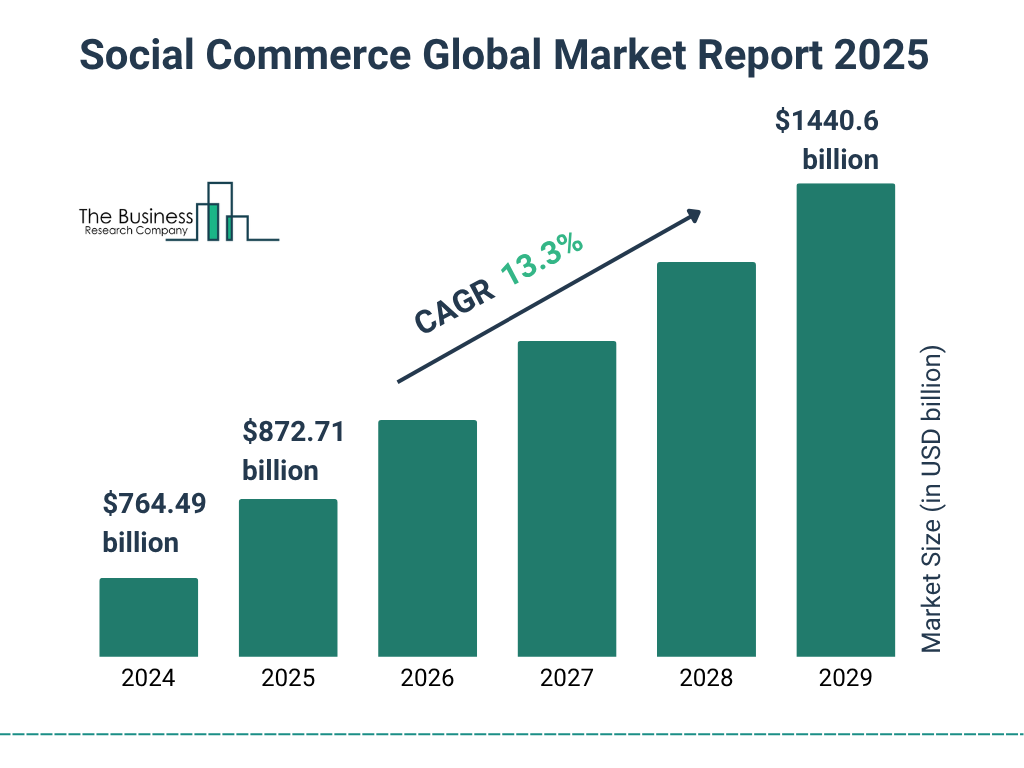
The social commerce market is huge and growing: projections show dramatic growth in coming years.
Example: Around 30.9% of consumers globally said they made a purchase via a social media platform in the past 12 months. (EMARKETER)
Key Trends Shaping Social Commerce in 2025 +
🛍 Shoppable Video & Live Commerce
Live shopping events (stream + buy) are becoming mainstream globally. Platform makers and brands are investing. (Elite Mindz)
🤖 AI & Personalisation
AI-powered recommendations, chatbots, and smart assistants inside social apps help shoppers find relevant products faster. (MassPay Solutions)
📱 In-App Payments & Wallets
Digital wallets, “buy now, pay later”, and one-tap payments inside apps reduce checkout abandonment. (MassPay Solutions)
🧑🤝🧑 Influencer / Creator-Led Commerce
Creators influence purchases through authentic content, reviews, lives. Brands collaborate with influencers within social ecosystems. (Globant Blog)
🌍 Global Reach, Local Adaptation
While China remains a leader in social commerce adoption, other regions (India, Southeast Asia, Latin America, even Western markets) are catching up fast. Platforms adapt features regionally. (EMARKETER)
How Brands & Consumers Should Respond — Worldwide
For Brands & Businesses
-
Integrate social-shopping into strategy: Don’t treat social media only as awareness — treat it as full-funnel: discovery → purchase.
-
Enable frictionless checkout: Use platforms that allow in-app purchase or integrate app-based checkout flows.
-
Leverage creators/influencers: Authentic content from creators drives trust and conversion.
-
Mobile-optimize everything: Since most usage is mobile, design product posts, videos, lives for mobile viewers.
-
Localise for markets: For global reach, adapt content, language, payment options per region.
-
Measure and iterate fast: Track which social formats drive buys, monitor conversion rates inside apps.
For Consumers
-
Expect convenience: You can discover and buy within social media apps — no need to always go to a website.
-
Look for trustworthy content: Because social commerce is peer/influencer-driven, check reviews, content quality, trustworthiness of seller.
-
Take advantage of social discovery: You may find new products via friends, creators, live streams.
-
Be mindful of privacy & security: As apps integrate more payments and data, ensure secure payment methods and trusted platforms.
-
Explore global brands: Social commerce enables discovery of niche brands worldwide — opens up broader options.
 |
| “From scroll to sale: The new shopping experience happens directly inside your social feed.” |
Keywords (for SEO & Global Reach)
-
social commerce
-
in-app shopping
-
mobile commerce trend
-
shoppable social media
-
live shopping
-
influencer commerce
-
global social commerce 2025
-
seamless checkout mobile
-
creator shopping live stream
-
mobile-first retail
Conclusion
The merger of social media + e-commerce is no longer a novelty — it’s a fundamental shift in how the world buys. Whether you’re a brand in Mumbai, a creator in New York, or a consumer in Nairobi, social commerce / in-app shopping offers new opportunities and experiences.
Brands that adapt will convert scrolls into sales; consumers will benefit from discovery, convenience and global choice. The key is to approach this with strategy, authenticity, and mobile-centric design.
In short: the next time you buy something while watching a live video or part–way through your Instagram feed — you are living the future of retail.
.png)

.png)
Comments
Post a Comment